

Economies Work to Simplify Cross-Border Commercial Disputes
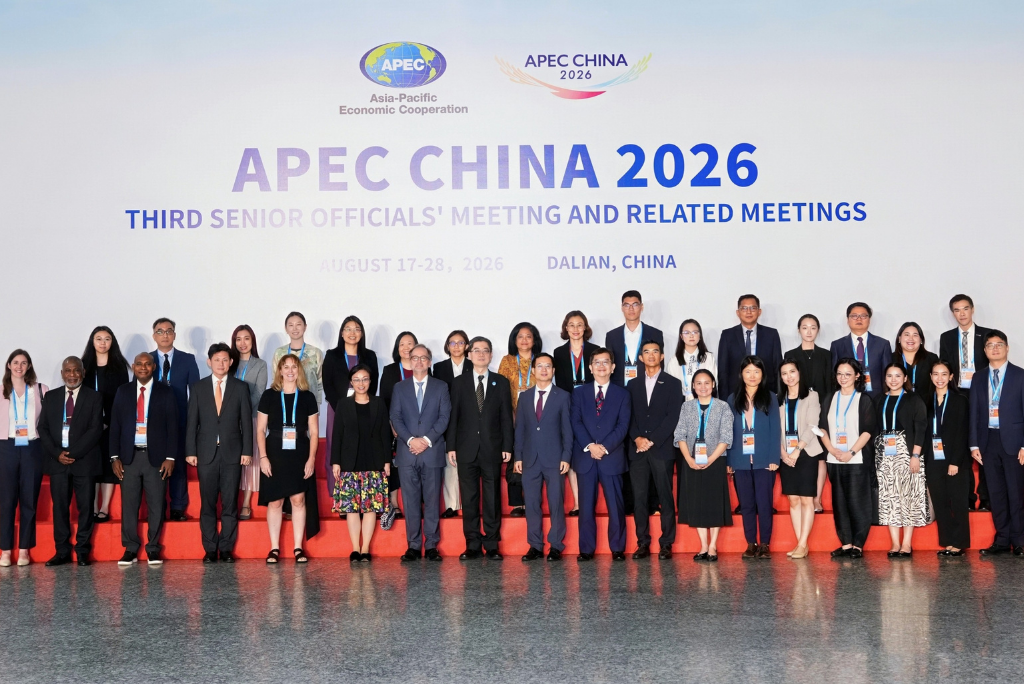
APEC economies are seeking to cut the cost and complexity of resolving cross-border commercial disputes as digital trade, electronic contracts and artificial intelligence (AI) create new challenges for legal systems across the region.
When an importer refuses to pay for a shipment or disputes whether goods are counterfeit or damaged, businesses need to know which courts have jurisdiction, which laws apply and whether a judgment will be recognized across borders.
Differences between legal systems can turn such disputes into lengthy and costly proceedings, creating a particular barrier for small and medium enterprises with fewer resources to navigate multiple jurisdictions.
"As AI-driven investment, electronic contracts and other digital innovations reshape how business is done, they are raising new questions for private international law and structural reform,” said Dr James Ding, Chair of APEC Economic Committee as he opened the Workshop on Use of International Legal Instruments in Cross-Border Commercial Disputes and in Digital Economy in Dalian last week.
“International legal instruments need to adapt so businesses can operate with confidence across borders, resolving disputes faster and giving investors clarity on how their assets are held and protected," Ding added.
“Shared experience and exchange of viewpoints today will enhance the understanding and practical applications of international instruments and innovating practices, with a view to adapt to the rapid and ever-evolving technological advancements.” said Paul Lam, Secretary for Justice of Hong Kong, China in his opening remarks.
Delivering the keynote address, Dr Christophe Bernasconi, Secretary General of the Hague Conference on Private International Law (HCCH), emphasized how legal certainty is as vital to economic integration as the movement of goods and capital across borders.
"Businesses need to know how documents may be used abroad, how proceedings may be conducted across borders, where disputes may be resolved and whether the resulting judgments will be recognized and enforced," Bernasconi said.
Experts examined how cross-border recognition of export documents and written evidence usually needs sign-off from courts, ministries and embassies in both jurisdictions, taking months.
Commercial disputes can also hinge on how quickly courts are able to serve legal documents and gather evidence in another jurisdictions. The HCCH Service and Evidence Conventions provide common procedures for doing so across borders, helping replace lengthy diplomatic and administrative processes that can otherwise delay a case for months.
Panelists underscored the importance of clearer and more predictable procedures for small and medium enterprises, which often lack the in-house legal resources of larger companies. Legal complexities, they said, can influence whether a small business pursues a cross-border opportunity at all.
APEC has also been working on practical ways to make dispute resolution more accessible. Its voluntary Online Dispute Resolution Collaborative Framework connects small businesses with participating online platforms designed to resolve cross-border commercial disputes without relying entirely on traditional court proceedings.
But digital business is creating new questions. Evidence may now be stored in the cloud, contracts can be concluded electronically between parties in different jurisdictions and some disputes may have no obvious physical location.
Officials discussed how legal frameworks can respond, including greater use of electronic delivery of legal documents and remote court hearings to make cross-border proceedings faster and easier to navigate.
"These legal instruments are practical tools for APEC's broader push for economic structural reform, and as cross-border trade grows more complex and more digital, clear and predictable rules matter as much to that agenda as trade or investment policy itself," Dr Ding concluded.
Proposed by Hong Kong, China, and co-sponsored by Indonesia, Korea and Singapore, the workshop was organized by the Hong Kong International Legal Talents Training Academy in collaboration with the Hague Conference on Private International Law Regional Office for Asia and the Pacific.
For further details and media inquiries, please contact:
media@apec.org