

APEC Advances Trade, AI Cooperation Ahead of Leaders’ Week
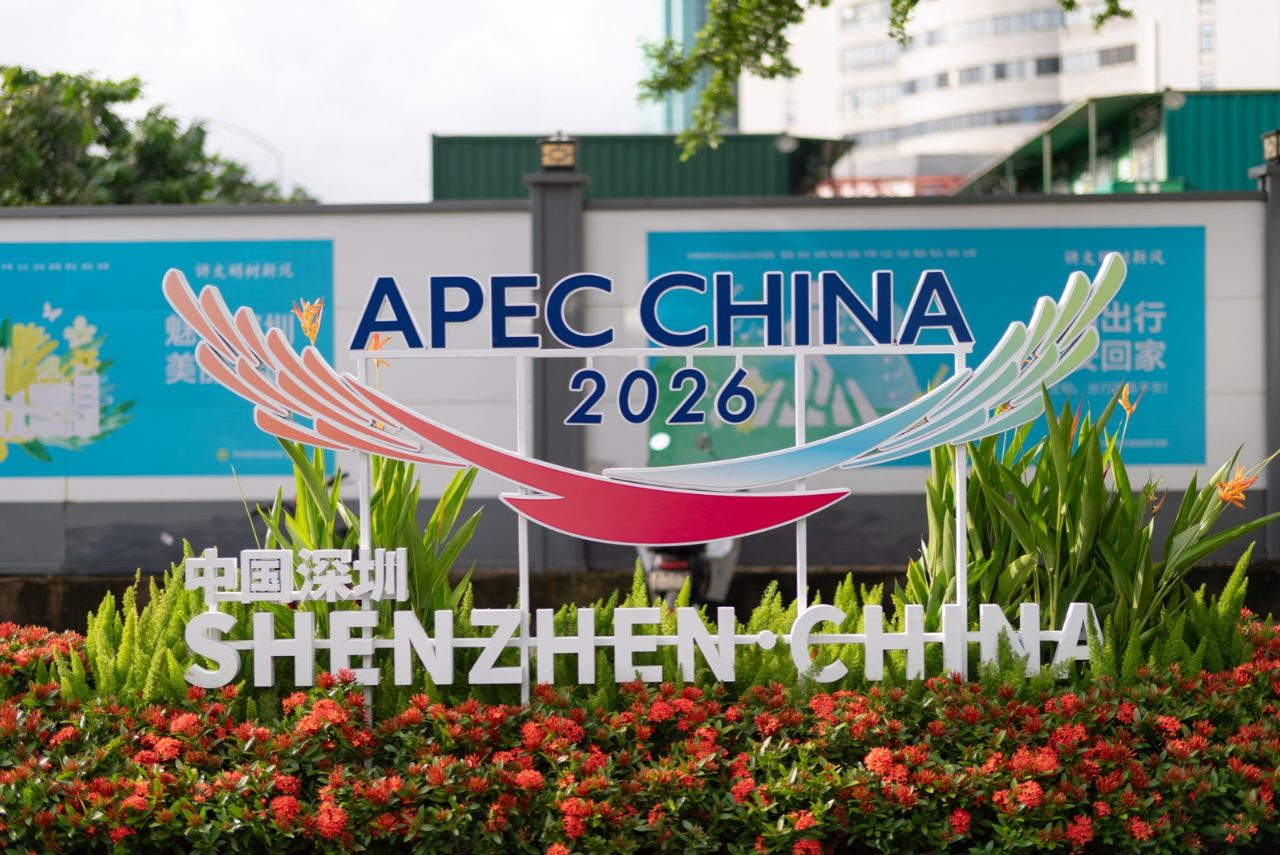
APEC economies are advancing cooperation on trade, artificial intelligence and economic resilience ahead of the APEC Economic Leaders’ Week in Shenzhen, China, as the region navigates economic uncertainty and rapid technological change.
Speaking at a media briefing in Singapore on Tuesday, APEC Secretariat Executive Director Eduardo Pedrosa highlighted progress made throughout the year in addressing shared challenges, including digital transformation, supply chain resilience, energy security and food systems.
“APEC brings its 21 member economies together to share experiences, assess different policy approaches and identify areas where further progress is needed,” he said.
Under China’s 2026 host theme, “Building an Asia-Pacific Community to Prosper Together,” APEC has focused on three priorities: openness, innovation and cooperation.
Artificial intelligence (AI) is expected to feature prominently when APEC economic leaders meet in Shenzhen on 19 November, building on discussions throughout the year on productivity, innovation and the adoption of emerging technologies.
Discussions throughout the year have explored how different approaches to AI governance can work together, particularly on data privacy, trust and technical standards, Pedrosa explained. Economies have also examined AI applications in energy, services and trade, alongside efforts to strengthen digital literacy and workforce development.
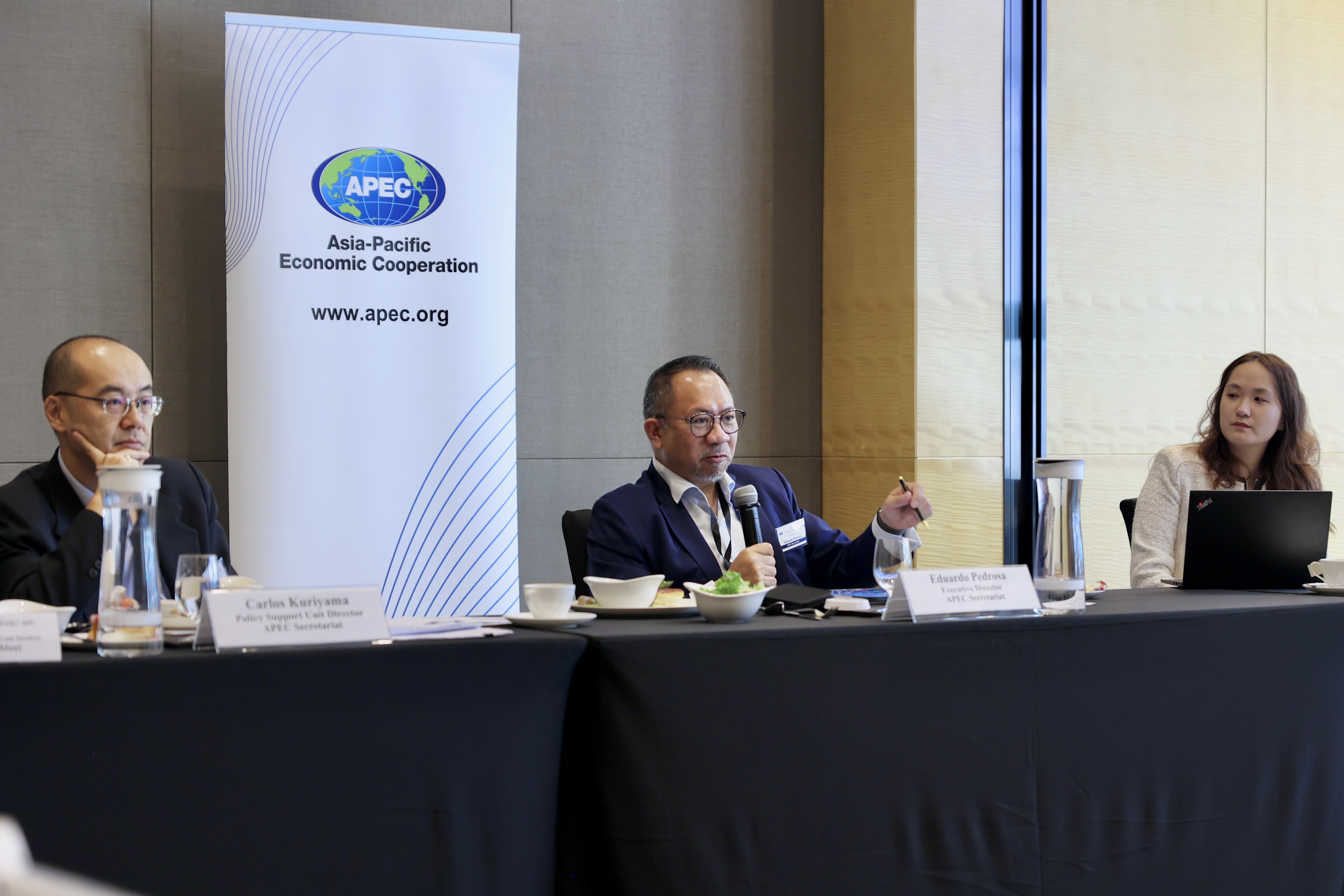
Carlos Kuriyama, Director of the APEC Policy Support Unit, said the region’s economy is projected to grow by 3.4 percent in 2026, up from 3.2 percent last year. Inflation, however, is expected to rise from 2.4 percent to 3.2 percent.
“The benefits are very much going to those economies that are ready to embrace AI,” Kuriyama said, highlighting the importance of digital readiness and capacity building to ensure broader participation in the digital economy.
Beyond AI, APEC economies have continued efforts to facilitate trade, strengthen connectivity and advance regional economic integration.
Kuriyama highlighted the establishment of an APEC Center of Excellence for Paperless Trade and efforts to improve the interoperability of digital trade systems. APEC research suggests that digitalizing trade documents could reduce trade transaction costs by 5.8 percent.
Economies have also advanced discussions on the Free Trade Area of the Asia-Pacific (FTAAP) through policy dialogues on trade digitalization, competition policy, state-owned enterprises and trade and labor.
Other ministerial outcomes this year have addressed digital infrastructure financing, financial inclusion, energy systems and food systems resilience, providing a foundation for continued cooperation.
The APEC Economic Leaders’ Week begins on 14 November with meetings of senior officials and business representatives, culminating in the APEC Economic Leaders’ Meeting on 19 November.
The discussions will also look beyond immediate economic challenges to the longer-term prosperity of the region. “Everything we do is for the prosperity of all our people and future generations,” Pedrosa said, referring to APEC’s Putrajaya Vision.
For further details and media inquiries, please contact:
media@apec.org