

Tourism Ministers Put Digital Innovation at the Heart of Regional Growth
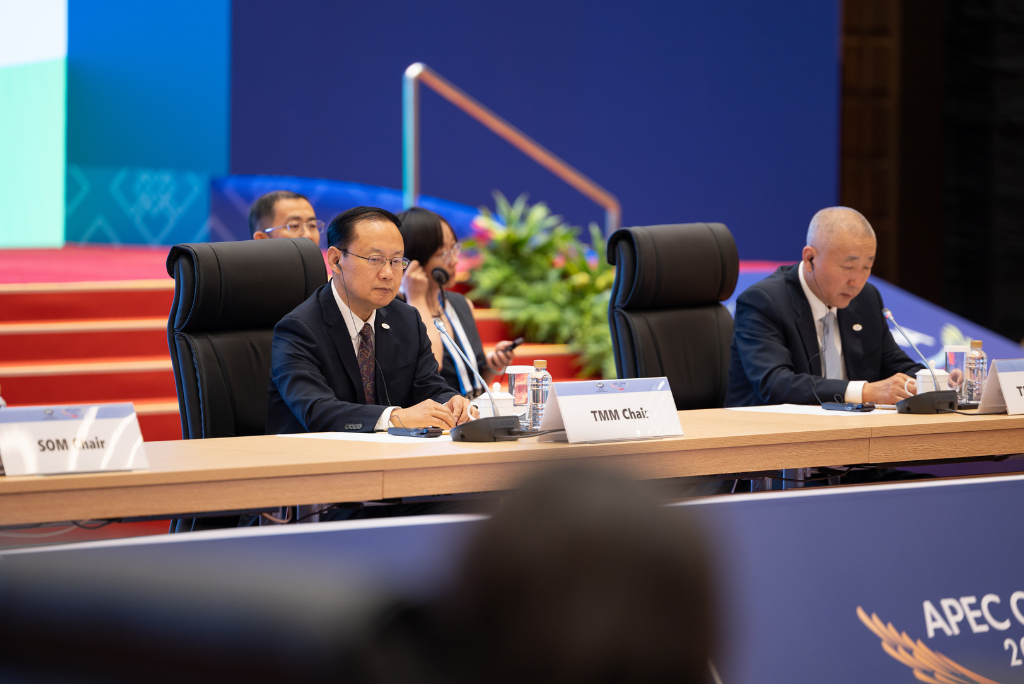
Digital innovation, seamless travel and stronger regional cooperation took center stage as APEC tourism ministers met in Macao, China to chart the next phase of tourism growth across the Asia-Pacific.
Tourism remains a major economic driver in the region. In 2024, APEC economies received 439 million international visitors, of whom 359 million travelled from other APEC economies. Before the pandemic, tourism contributed 10.4 percent of the region's GDP and sustained 334 million jobs
"The tourism sector is instrumental in meeting people's aspirations for a better life, driving economic growth and promoting cultural exchanges, playing a unique role in advancing the building of an Asia-Pacific community," said Sun Yeli, Minister of Culture and Tourism of the People’s Republic of China, as he opened the APEC Tourism Ministerial Meeting in Macao, China.
Minister Sun outlined three priorities to deepen regional tourism cooperation: accelerating digital innovation, strengthening practical collaboration to make travel more seamless, and ensuring the benefits of tourism are shared more broadly across communities.
“We need to enrich the visitor experience by harnessing new applications such as real-time translation glasses, exoskeleton devices and VR to break down language barriers, facilitate travel and strengthen cultural connection,” he added
“We need to support enterprises in jointly developing tourism products, designing cross-border tour routes and increasing direct flights and cruise routes in the region to better meet diverse needs of tourists,” Minister Sun said.
Improving travel facilitation was another key focus of discussions. Research by the APEC Policy Support Unit shows that replacing traditional visas with electronic visas can increase bilateral travel flows by up to 15 percent, highlighting how digital reforms can complement broader efforts to ease cross-border travel.
At the meeting, tourism ministers examined how digital innovation can empower recovery for the sector and drive economic growth while ensuring that the benefits of technological transformation extend beyond travellers to every community involved across the Asia-Pacific.
The discussions build on ongoing work under APEC's Tourism Working Group to modernize the tourism sector, including projects exploring AI-based solutions for tourism and hospitality, streamlining border procedures to improve connectivity, and advancing digital tools for destination management and sustainable tourism.
“Win-win cooperation proves to be the right way forward,” Minister Sun said. “I sincerely hope that all economies will take this meeting as an opportunity to advance APEC tourism cooperation to higher levels and broader areas, bring our peoples ever closer together, and contribute to the success of the APEC Economic Leaders' Meeting to be held in China."
For further details and media inquiries, please contact:
media@apec.org