

Ministers Push Innovation and AI to Boost MSME’s Business Growth
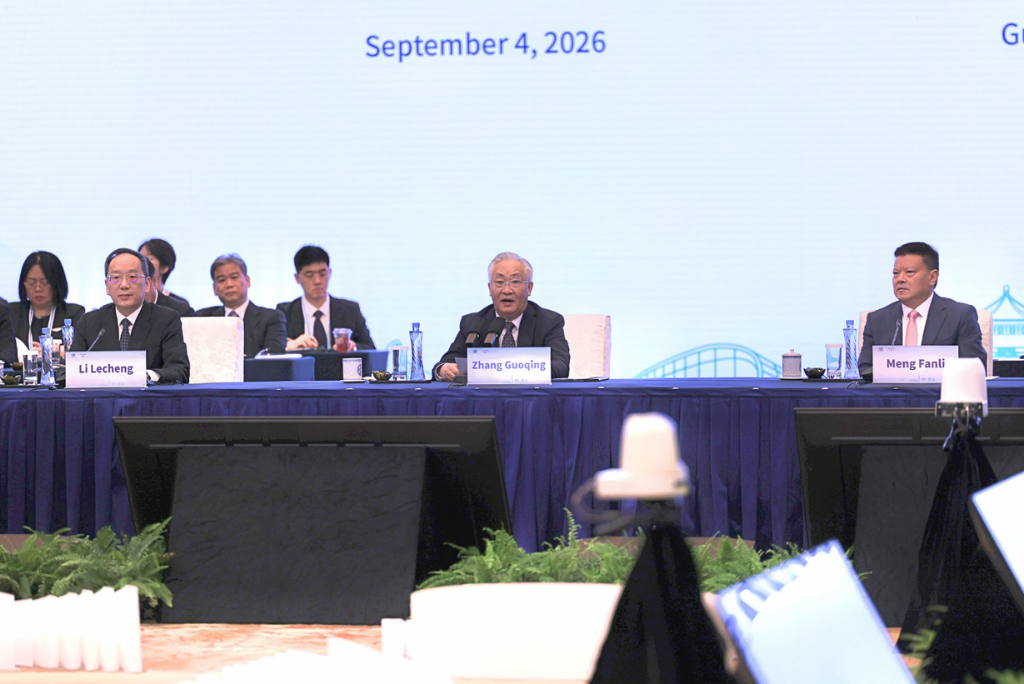
Ministers and senior representatives from APEC economies reaffirmed the need to create an enabling environment for innovation and technology adoption to help small and medium enterprises (SMEs) become more competitive, resilient and better connected to new markets and opportunities.
“Small and medium-sized enterprises represent over 97 percent of businesses across the Asia-Pacific. They are a vital force in driving innovation, promoting employment, and improving people's livelihood,” said Zhang Guoqing, China’s Vice-Premier, as he opened the 32nd APEC Small and Medium Enterprises Ministerial Meeting on Friday in Guangzhou.
“We should also strengthen the alignment of rules such as quality standards, testing and certification, reduce institutional transaction costs, and create a favorable market environment for the development of small and medium-sized enterprises,” Zhang added.
Ministers highlighted innovation as a way not only to raise productivity, but also to create new business models and industries where SMEs can specialize and grow. They called for stronger intellectual property protection as smaller firms scale up and for policies that encourage entrepreneurship.
They also stressed the need to strengthen innovation ecosystems for rural, underserved and women-led SMEs, including through more accessible financing, talent development and public services that can help entrepreneurs test ideas and identify potential markets.
Economies called for more platforms connecting entrepreneurs with investors and industry leaders to pitch ideas, build partnership and learn from established businesses. They also shared examples of commercial mentorships and partnerships between larger companies and SMEs.
Such connections are particularly important as economies seek to grow more specialized technology SMEs in areas ranging from robotics and biomedicine to advanced engineering materials. Ministers said helping these businesses develop new products and scale will require continued investment in innovation, infrastructure and public-private partnerships.
Digital adoption was another focus of the meeting, with ministers discussing how technologies can help SMEs expand through e-commerce, improve business operations, reduce costs and connect more effectively to regional and global supply chains.
But access to technology alone is not enough. Ministers called for easier-to-use tools, stronger digital skills and clearer safeguards around data privacy so small business owners and workers can confidently integrate new technologies into their daily operations.
Ministers also underlined the potential of artificial intelligence to broaden participation in the formal economy and help SMEs respond more quickly to supply chain disruptions.
“Inclusive and sustainable development of regional SME will serve as a powerful force of APEC economy. It is crucial to now turn the discussions we had today into practical action, to empower SMEs across our region,” said Li Lecheng, Chair of the ministerial meeting and China’s Minister of Industry and Information Technology, in his closing remarks.
For further details and media inquiries, please contact:
media@apec.org