

Pursuing Twin Goals of Investment Facilitation and Quality in APEC

Attracting investment is only half the challenge. The other is making sure it delivers lasting value. As technology, sustainability and changing business models reshape global investment, APEC is updating how it helps economies make investing easier while pursuing growth that is more resilient, responsible and broadly beneficial.
Foreign investors have long faced a fragmented business environment, with challenges often becoming more pronounced in unfamiliar markets. Scattered information, cumbersome procedures and limited government support frequently slowed the decision-making process.
Investment facilitation helps address these challenges by making it easier for investors to operate and expand businesses overseas. This includes practical measures such as one-stop portals, digital services and streamlined procedures that improve access to information and reduce unnecessary administrative barriers.
However, effective investment facilitation does not happen in a vacuum, nor does it happen overnight. It requires clear policy direction, regional cooperation and sustained collaboration across key stakeholders, both domestic and global.
In November 2008, APEC economic leaders welcomed the Investment Facilitation Action Plan (IFAP) to foster a more conducive investment environment across the region. Greater foreign investment can deliver substantial and lasting benefits, including economic growth, technology transfer and employment opportunities, among others.
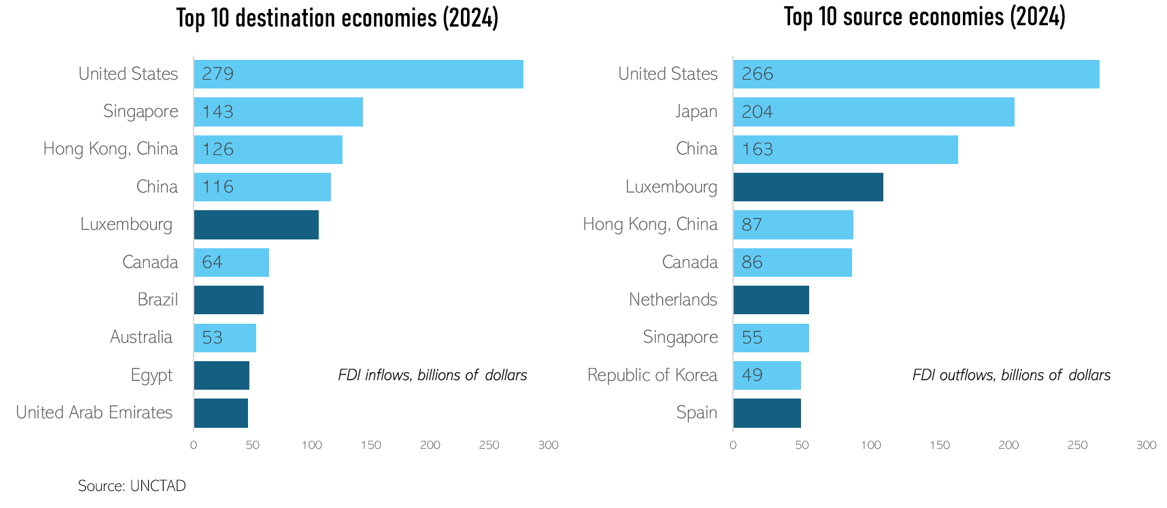
Nearly two decades later, APEC has become one of the world’s leading investment hubs. In 2024, more than half of the world’s top ten destination and source economies for foreign direct investment (FDI) were APEC economies.
Greenfield investment, which involves building new business operations from the ground up, reached USD 595 billion in the region.
Many APEC economies also participate in initiatives that support cross-border investment, such as the Investment Facilitation for Development (IFD) Agreement, which aims to make investment processes more transparent and efficient, underscoring the forum's influence in shaping the global investment landscape.
The Changing Investment Landscape
Amidst this progress, expectations around growth are evolving. Economic success is no longer measured solely by gross domestic product (GDP) growth and corporate profitability. Increasingly, attention is turning to the quality of growth, including how its benefits are shared, how sustainable it is and its impact on the environment.
This shift is reflected in the evolving architecture of the investment treaties and International Investment Agreements (IIAs). These agreements, which establish the rules and protections governing cross-border investment, are increasingly extending beyond traditional investment protection. For instance, many now include provisions to improve regulatory transparency and strengthen environmental commitments.
The broader direction of global investment is also shifting. UNCTAD’s latest World Investment Report highlights that global FDI fell by 11 percent in 2024 for the second consecutive year, with investment activity waning across many regions.
These trends are being shaped by growing investment in intangible assets, such as software and research and development (R&D). Investment in these areas increased by nearly three percent from 2023–2024.
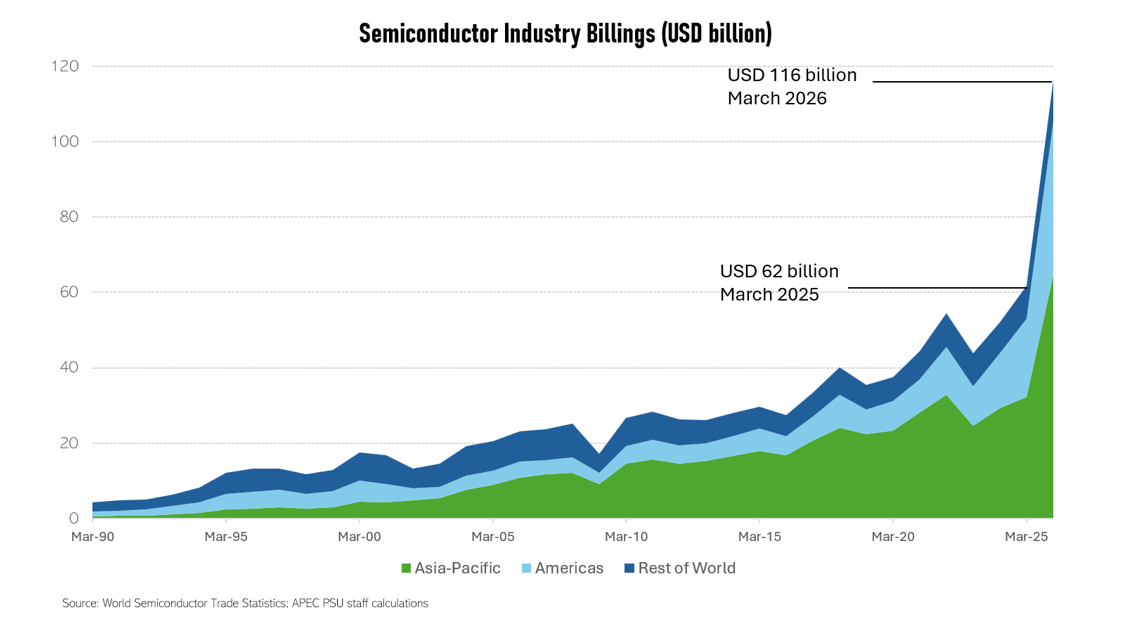
The digital economy has emerged as a key driver of investment growth. Rising demand for artificial intelligence (AI) infrastructure and cloud computing has fuelled significant investment in data centres across economies such as Malaysia and Thailand. Nineteen of the world's top 20 digital and ICT enterprises are from APEC economies, highlighting the region's role in stewarding innovation and growth in the digital economy.
How APEC is Adapting
Adapting to shifting global conditions requires institutions and their policies to reassess their approach. In 2025, the IFAP was enhanced for this exact purpose – supporting economies to better align with evolving global standards and investors’ needs. The updated IFAP also places greater emphasis on responsible business practices and sustainable growth to promote high-quality investments.
Built on eight core principles, the upgraded IFAP seeks to advance three key areas: (1) making essential information available for investment decision-making; (2) streamlining the process of foreign investment policy formulation; and (3) lowering the cost and risk of foreign investment.
The IFAP is a forward-looking endeavour. For example, one of the IFAP principles aims to enhance the stability of investment environment. In this context, APEC member economies are encouraged to provide regulatory frameworks that protect both tangible and intangible assets.
Other IFAP implementation efforts include an ongoing exercise within the APEC Investment Experts’ Group, where economies and international organizations are invited to share their initiatives on effective investment facilitation.
Moving Ahead with Actions
Across the region, APEC economies are already putting IFAP principles into practice.
Many economies are using digital platforms to promote accessibility and transparency in the formulation and administration of investment-related policies. These platforms streamline investor experience and improve access to investment information.
In addition, e-systems are being used to improve the efficiency and effectiveness of investment applications and procedures, which can enable early coordination on large-scale investment projects, making the investment process more efficient and predictable. These systems can centralize information and provide guidance on investment procedures.
In order to develop a business-friendly investment environment in the APEC region, some economies are encouraging cross-border open innovation by connecting foreign and local companies, as well as offering industrial tours and opportunities to engage with academia, helping foreign companies to better understand regional investment environments.
Filling in the Policy Gaps
To date, aligning actions with IFAP principles has helped APEC economies advance economic integration and competitiveness in the region. Yet challenges such as corruption, regulatory gaps and insufficient stakeholder engagement can undermine this progress.
To tackle these issues, it is crucial for APEC economies to continue playing an active role in global initiatives. At the same time, small businesses and disadvantaged groups continue to face complex procedures and limited support, making targeted initiatives more important than ever. Building capacity and expanding access to digital tools can help foster a more diverse and resilient investment environment.
Sustaining Investment Facilitation for Quality Growth
APEC economies need to remain committed to and continue innovating in investment facilitation to drive quality growth and prosperity across the region. Going forward, tracking and reviewing how these measures are implemented will be key to draw practical lessons from implementation and identify barriers involved.
One such measure is the investment single window, which enables businesses to submit and track investment-related applications through a single digital platform, reducing the need to interact separately with multiple government agencies. As an APEC PSU policy brief cautions, comprehensive single windows can substantially reduce delays and improve transparency, but it also requires significant funding, technical capacity and coordination across agencies.
Collaborative efforts will help strengthen the region’s competitiveness and innovation capacity, while supporting broad-based and sustainable growth.
Akhmad Bayhaqi is a senior analyst and Chelsea Seah Jiaqi is a researcher at the APEC Policy Support Unit.