

Preparing the Asia-Pacific for the Next Energy Challenge
A More Complex Energy Landscape
The Asia-Pacific’s energy future is entering a more complex phase. Electricity demand is rising rapidly. Economies are accelerating digitalization and artificial intelligence (AI) deployment. Climate-related disruptions are becoming more frequent. At the same time, governments are under growing pressure to ensure energy remains affordable, reliable and accessible.
These shifts are reshaping how economies think about energy security and development. The challenge is no longer simply about producing more energy. Increasingly, it is about how economies build energy systems that are resilient, flexible and capable of supporting long-term growth amid uncertainty.
This challenge matters deeply for the Asia-Pacific. The APEC region accounts for more than half of global energy consumption and includes some of the world’s fastest growing economies. Energy systems across the region are increasingly interconnected through trade, investment, supply chains and technology flows. Decisions made today on infrastructure, digitalization and energy transition pathways will influence economic competitiveness and resilience for decades to come.
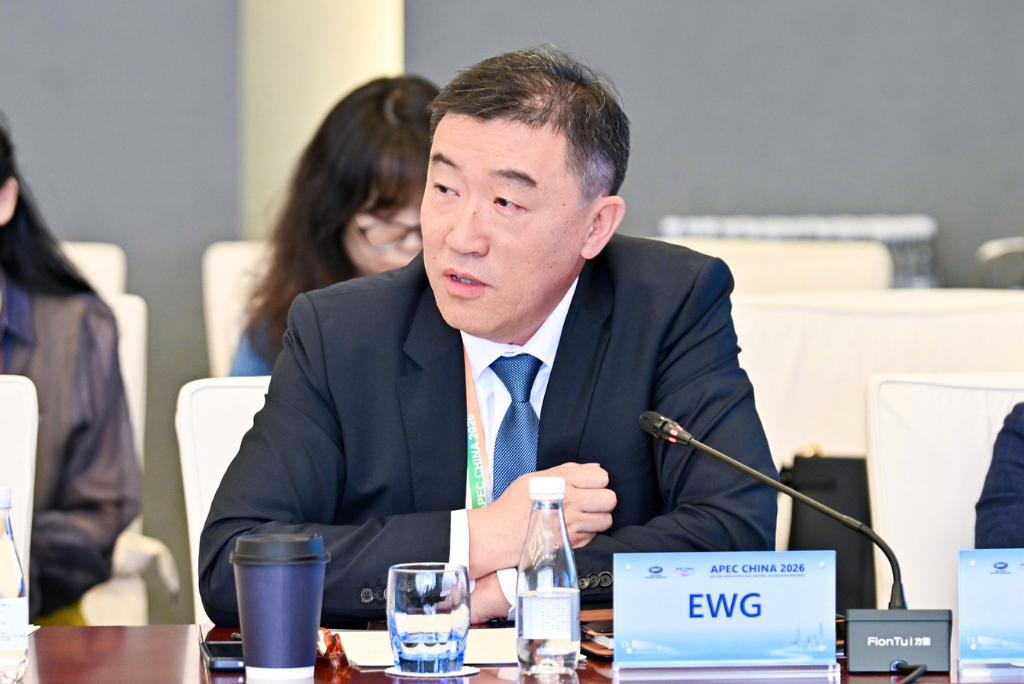
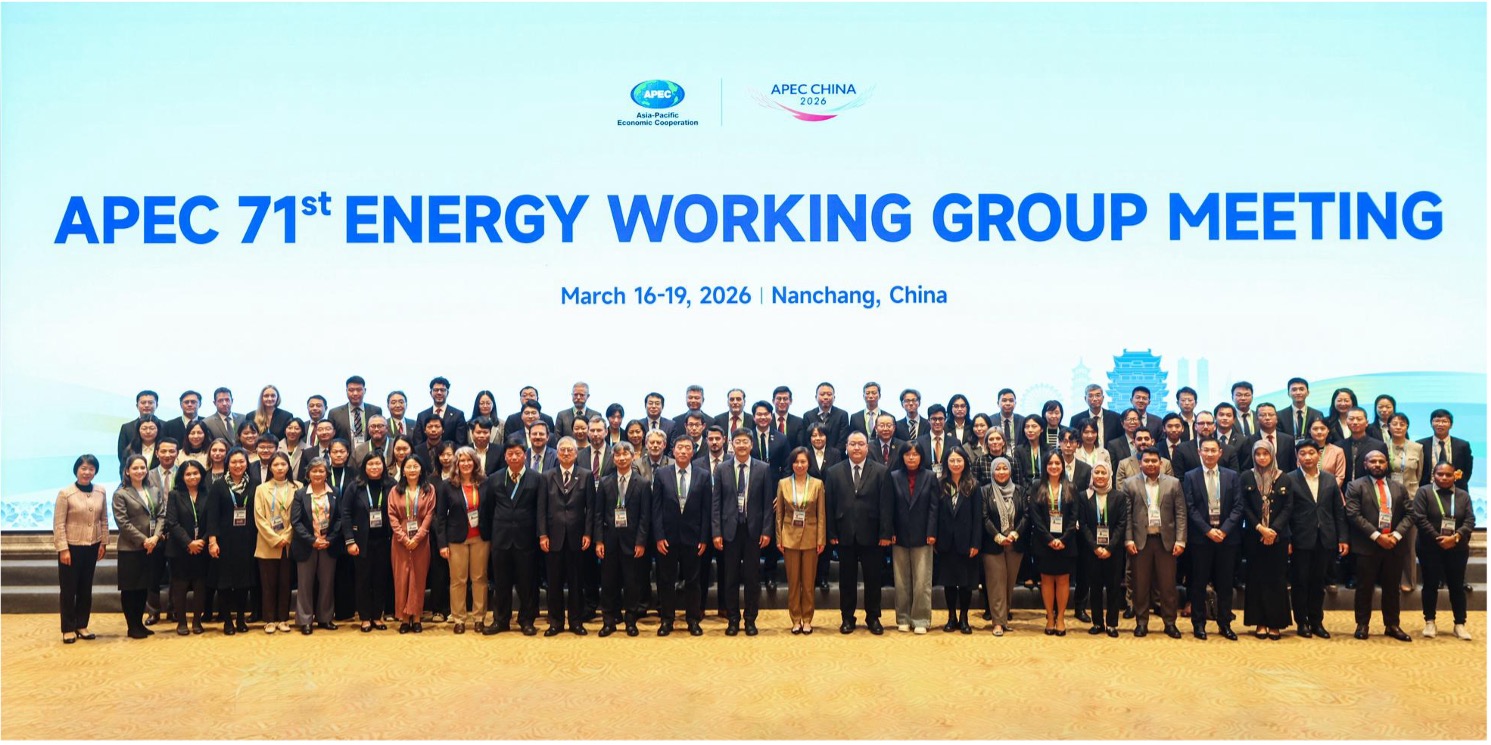
At the APEC Energy Working Group Meeting held in Nanchang, China in March, member economies discussed many of these shared challenges and opportunities. Under the broader APEC 2026 theme of “Building an Asia-Pacific Community to Prosper Together,” the energy sector adopted the vision of forging “an Innovative and Synergistic Asia-Pacific Energy Community for All.”
Three priorities shaped discussions throughout the meeting: Energy for All, AI+Energy and Synergistic Cooperation. Together, they reflect how the region’s energy conversation is evolving.
Energy Access and Affordability Remain Central
The first priority, “Energy for All,” recognizes that energy access and affordability remain fundamental development issues. Although significant progress has been made in expanding energy access across the region, gaps remain, particularly in remote and rural communities that continue to experience infrastructure and reliability challenges. As economies pursue energy transitions, ensuring that no community is left behind will remain essential.
Today, people across the APEC region increasingly expect energy services that are safe, reliable, abundant, sustainable and affordable. This is encouraging economies to move beyond a stage focused primarily on whether energy access exist toward a new stage that also emphasizes the quality, reliability and sustainability of energy service.
Reliable and affordable energy supports not only economic activity, but also education, healthcare, connectivity and broader social development. This is especially important as urbanization, industrial growth and electrification continue to increase demand for stable power systems.
AI Is Reshaping the Energy Conversation
At the same time, the region is entering a new phase of digital transformation. Artificial intelligence is beginning to reshape industries, logistics systems and manufacturing processes. It is also changing the energy sector itself.
Across APEC economies, AI technologies are increasingly being explored to improve grid management, optimize renewable energy integration, strengthen energy forecasting and support more efficient energy use. The group’s 2026 work plan highlights several initiatives focused on AI-enabled energy systems and digital optimization technologies.
Yet digitalization also creates new demands. Data centers, AI infrastructure and advanced industrial systems require significant amounts of electricity and place additional pressure on grids and supply chains. This means economies must think carefully about how to expand capacity while maintaining system stability and resilience.
Building Resilience through Cooperation
This is where the third priority, “Synergistic Cooperation,” becomes increasingly important. No economy can address these challenges alone. Energy markets, supply chains and infrastructure networks are deeply interconnected across the region. Cooperation on standards, technology, resilience and capacity building will be critical to managing future risks.
The Asia-Pacific is already facing growing pressures from extreme weather events, cybersecurity risks and supply chain disruptions. Our discussions highlighted how these risks can threaten power system reliability and create wider economic disruptions. Strengthening resilience therefore requires not only physical infrastructure investment, but also stronger coordination, information sharing and institutional cooperation across economies.
This cooperative approach has long shaped APEC’s energy work. Through the Energy Working Group, member economies collaborate on issues ranging from renewable energy and energy efficiency to hydrogen, resilient infrastructure and clean energy technologies. The group also supports broader APEC goals under the Putrajaya Vision 2040, including strong, balanced, secure, sustainable and inclusive growth.
Different Pathways, Shared Goals
Importantly, APEC’s strength lies in its flexibility and diversity. Economies across the region are pursuing different energy pathways depending on their domestic circumstances, resource endowments and development priorities. Some are rapidly expanding renewable energy deployment. Others are focusing on grid modernization, energy access or energy security. Increasingly, economies are also exploring how technologies such as AI can support these transitions.
APEC’s role is not to prescribe a single model, but to provide a platform where economies can exchange experiences, identify practical solutions and strengthen cooperation in areas of shared interest.
This pragmatic approach will become even more important as the region navigates the next phase of energy transition and economic transformation. Balancing sustainability, affordability, reliability and resilience will require long-term planning, policy coordination and continued investment in innovation.
As preparations continue toward the 16th APEC Energy Ministerial Meeting in Beijing later this year, discussions within the Energy Working Group will continue focusing on how economies can strengthen energy resilience, improve energy access and support sustainable growth across the region.
The Asia-Pacific’s next energy challenge will not be defined by a single issue alone. It will be shaped by how economies respond to a rapidly changing environment where technology, security, sustainability and economic growth are becoming increasingly interconnected.
Preparing for that future will require not only stronger energy systems, but also stronger regional cooperation.
Weiguo Shan is the Lead Shepherd of the APEC Energy Working Group and the Head of Oil Market Study Research Institute of Economics and Technology (ETRI), CNPC.